
Interview
Building worlds with Lil Cherry & GOLDBUUDA
“What would happen if you let imagination completely ignore genre rules?”
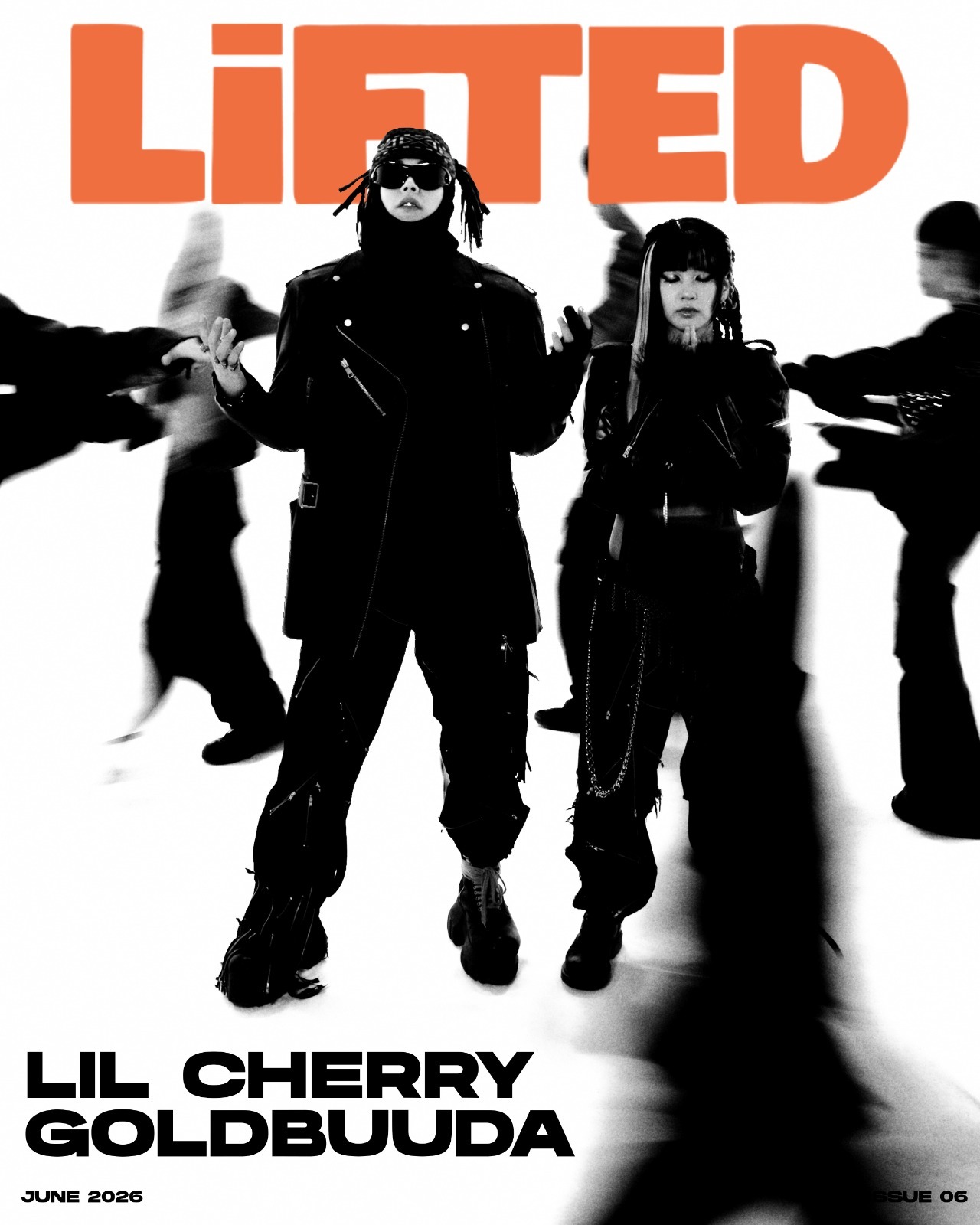
For most artists, music is the destination. For Lil Cherry and GOLDBUUDA, it’s just one stop in their creative universe.
The Korean sibling duo have always existed in a lane of their own, pulling influences from Southern Hip Hop, K-pop, fashion, visual art, internet culture, and whatever strange idea happens to catch their attention. Growing up between Korea and Miami, they never felt fully rooted in one place, and that outsider perspective has become one of their greatest strengths. While many artists spend their careers trying to fit neatly into genres and scenes, Lil Cherry and GOLDBUUDA have spent theirs doing the exact opposite.
Their music is loud, colorful, chaotic, playful, and impossible to reduce to a single label. Whether they are making bass-heavy club records, experimenting with futuristic visuals, or launching new creative ventures, they approach every project with the same philosophy: imagination should never be limited by convention.
In this exclusive interview with LiFTED, Lil Cherry and GOLDBUUDA discuss growing up in a household shaped by Hip Hop and cultural duality, the creative chemistry that comes from being siblings, the future of music in an AI-driven world, and why they believe artists of the future must become world-builders rather than simply musicians. They also reflect on signing with Family Style Records, the evolution of part I and part II of ‘DRESS2KILL,’ and their ambitious vision to create a blueprint for the next generation of Asian artists who refuse to follow existing templates.
Thanks for doing this interview for LiFTED. We’ve loved your music since we first heard it. Can you tell us a bit about growing up in your household? Are you from a musically-inclined family? Was there a lot of music being played? If so, what kind?
Cherry & BUUDA: Thank you for the warm welcome, LiFTED team.
BUUDA: Not really in the traditional sense. We weren't a family of musicians sitting around playing instruments together. But music was always there. Korean ballads, old pop songs, church music, American radio, whatever happened to be playing in the car or on TV.
I think what shaped us more was the environment itself. Our family went through a lot of changes and transitions, and music became this emotional language that could hold everything—nostalgia, loneliness, excitement, ambition. Growing up partly in the States and partly in Korea also gave us a weird cultural mix. We never felt like we belonged entirely to one place, so naturally our music became this hybrid of different worlds.
Cherry: Not really in the traditional sense like Buuda said, but our mama was indeed a piano teacher when she was younger, though, and she majored in music composition, so I think there is definitely music and musicality in our blood, for sure. And our dad has always loved to sing. Growing up, we shared one computer in the house so all the music Buuda downloaded were what I listened to as well. That shaped our taste in music to this day. When it comes to Hip Hop we were listening to 50 Cent, Juvenile, Lil Wayne, Chingy, Gucci Mane, Nelly, Flo Rida, Pretty Ricky, and more.
Cherry, before you were making music, you were writing poetry. Do you still do that or is most of your energy focused on putting words into songs now?
For me, poetry and music have never been separate art forms. They coexist and feed each other, so I give them the same amount of time and attention. In fact, most of my songs begin as poems. I usually start with words, imagery, and/or metaphors first, and then they naturally evolve into rhythm, melody, and a song.
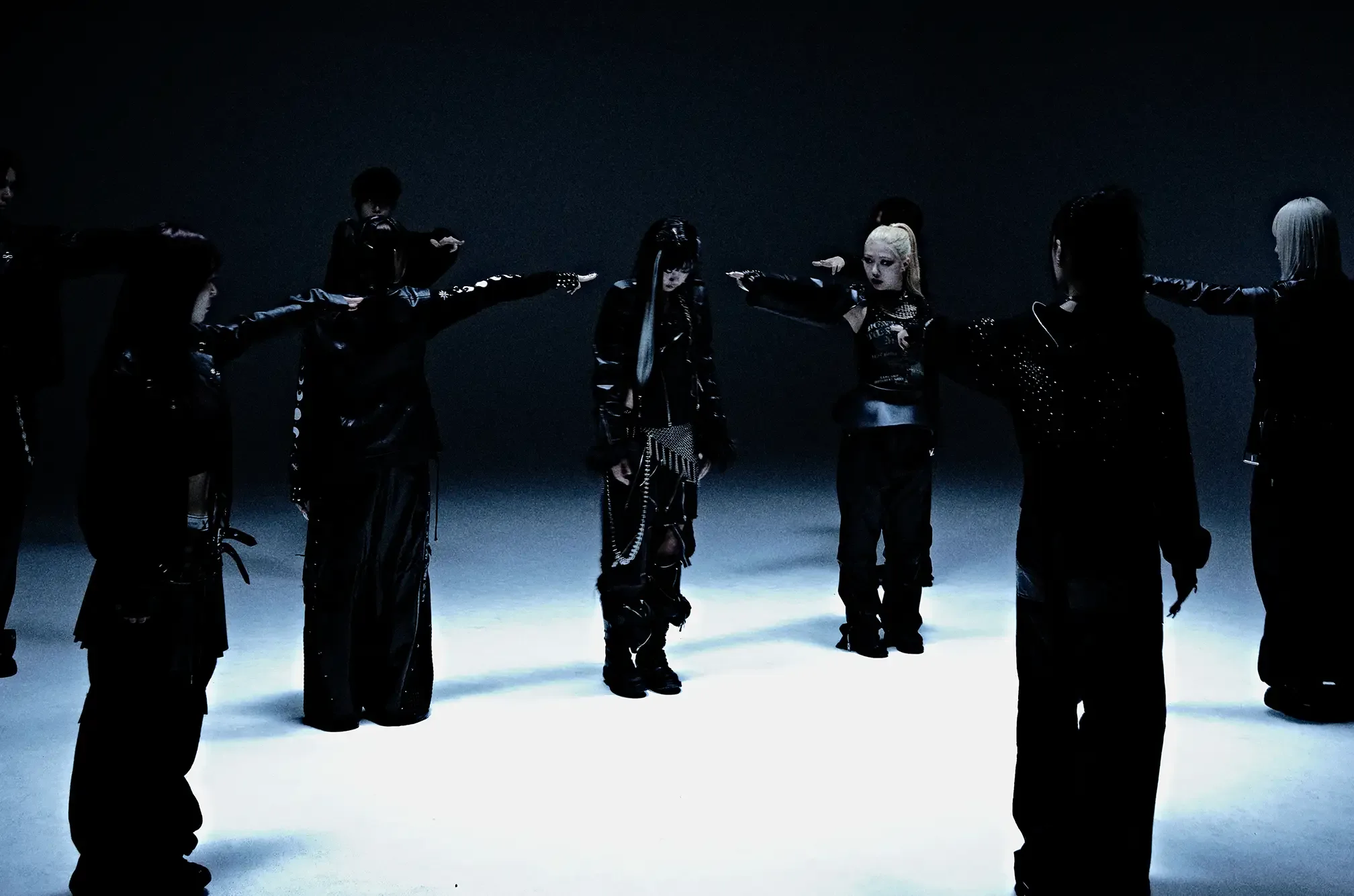
Cherry, you were on the cover of LiFTED in May of 2023 and now you are only the second person to be featured a second time [Awich the other]. What are the craziest things that have happened to your life in the past three years?
It's nice to be back here with y'all- Happye 2026. I've been traveling more than ever, and every adventure was absolutely bonkers. I started OVARY, my new collective, and launched its first project with our inaugural artist, Ginja. I brought home the loveliest, bestest puppy dog named Rowana Francheska who's seven months old now and has completely changed my life. I started DJing and my first gig was opening for brutalismus3000. I went to Cape Town, South Africa, became global ambassador for Heineken & Ugg, started PT, and got a therapist. And I quit vaping. Crazy.
BUUDA, you really push the limits with your sounds. What inspires you to go so far left field and come back with it?
I've always been more interested in possibilities than formulas. If I hear something and immediately understand where it belongs, I'm usually less excited by it. I think being an outsider in different environments gave me permission to experiment. I was the Korean kid in Miami and then the Miami kid in Korea. I never really fit neatly into one category. So musically, I don't see genre boundaries as walls. I see them more like ingredients. I want people to hear something and think, "I didn't know this combination could exist." That's where art starts becoming alive to me.
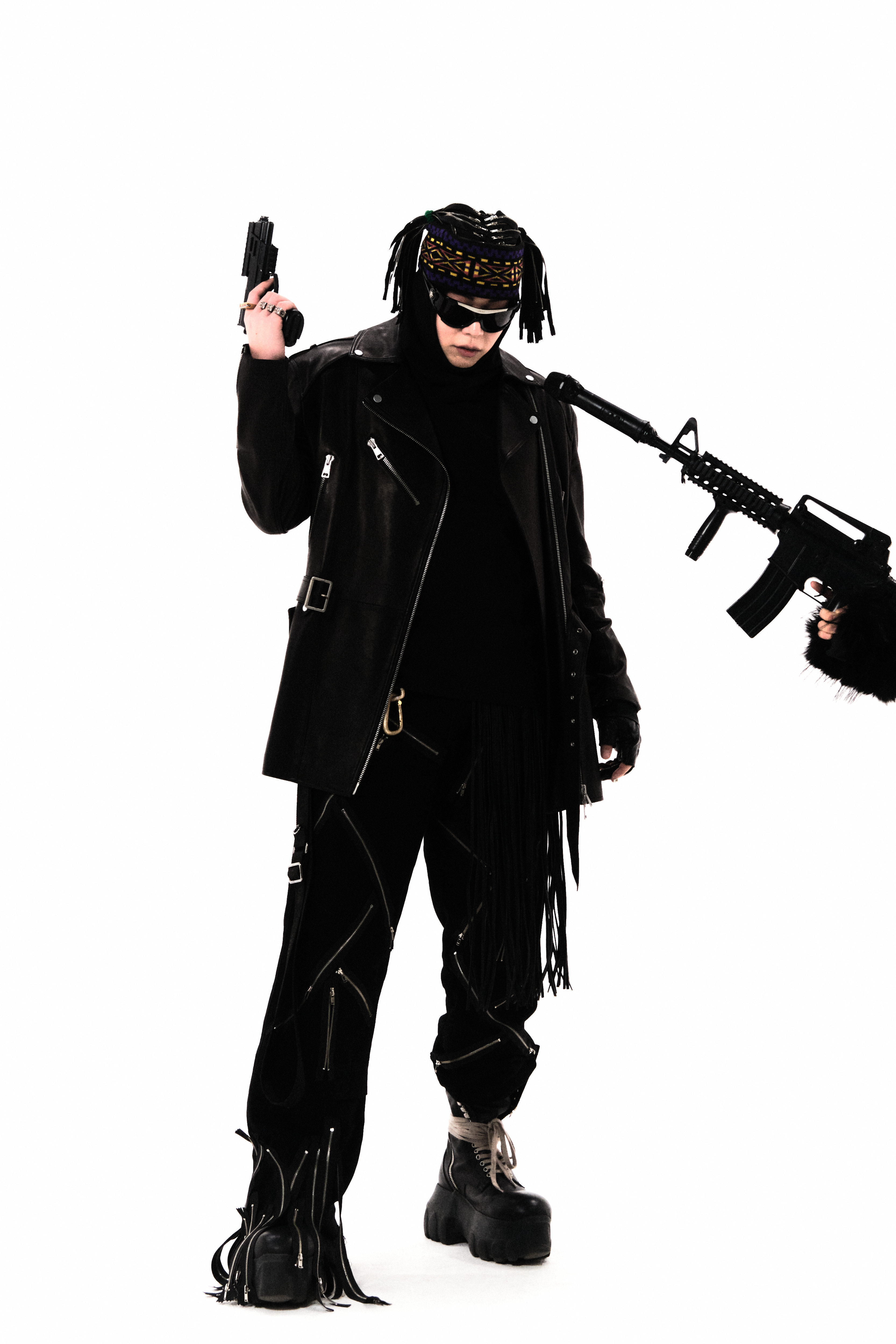
BUUDA, what directions do you think Hip Hop and music in general are going in the second part of 2026?
I think we’re entering a post-genre era. People don’t care as much about labels anymore. They care about worlds and identities. AI is also accelerating everything. The technical barriers are disappearing, which means ideas and taste are becoming more valuable than execution alone. Anybody can make a beat now. The real question is: what are you trying to say and why should anyone care? I think the next wave of artists will be part musician, part creative director, part world-builder. The ones who can create a universe around their art will stand out.
You guys have taken a few years off from releasing music as a duo, but still have been dropping new music individually. There are a lot of musical groups who are family members. What is it about making music with siblings that resonates with the public so much?
There’s a level of trust and honesty that can’t really be manufactured. We’ve known each other our entire lives, so there’s no need to impress one another. We can challenge each other brutally and still understand where the other person is coming from. I also think audiences can feel that chemistry. It’s not something rehearsed. It’s a shared history, shared memories, shared references. Sometimes we don’t even need to explain ideas to each other. We just know.
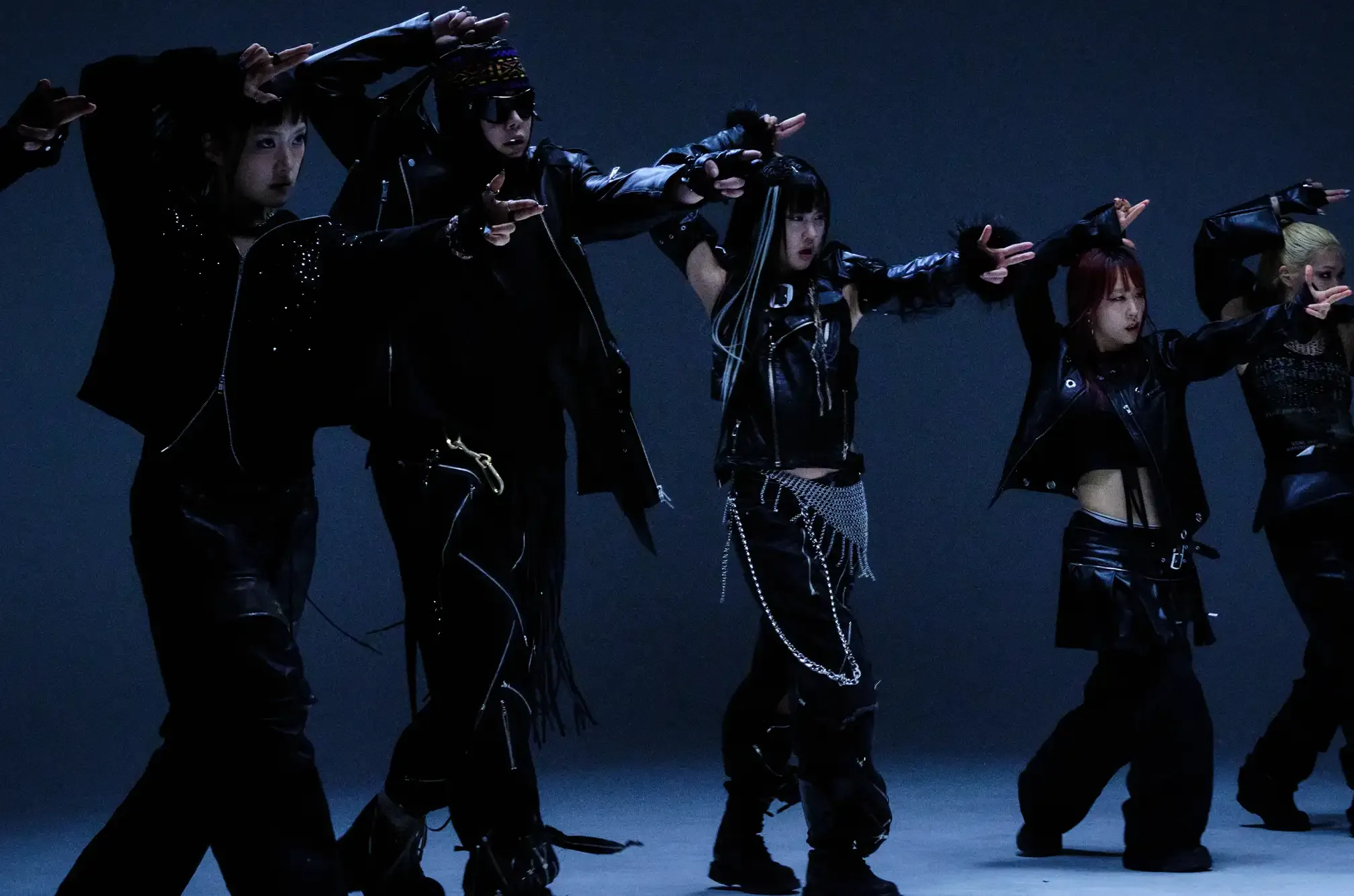
You have just signed with MC Jin’s new label Family Style Records [Pacific Music Group]. Growing up partly in the US, were you aware of Jin’s legacy? Can you tell us how signing with them came about?
Absolutely. If you were an Asian kid growing up around Hip Hop, MC Jin represented something bigger than music. He broke through barriers that seemed impossible at the time. He showed us that an Asian artist could step into spaces where people didn’t expect us to exist.
Signing with Family Style Records happened very organically. There was mutual respect first. They understood that we’re not trying to fit into an existing lane. We’re trying to build something new. The vision aligned naturally.
Your latest release, ‘DRESS2KILL’ is an audio and visual smorgasbord of creativity. Can you take us through how the song and video got made?
'DRESS2KILL’ started as an attitude before it became a song. The keyword immediately became the title of the song. We wanted the production to feel luxurious, aggressive, playful, and futuristic all at the same time. Visually, we approached the video almost like an art installation instead of a conventional music video. Every frame had to feel like a moving piece of design. The whole project was built around one question: What would happen if you let imagination completely ignore genre rules?
At the time of this interview you have just released a new choreography video for ‘DRESS2KILL’ part II which is pretty interesting, and something we’re more used to seeing from K-pop groups. What was your thinking behind this?
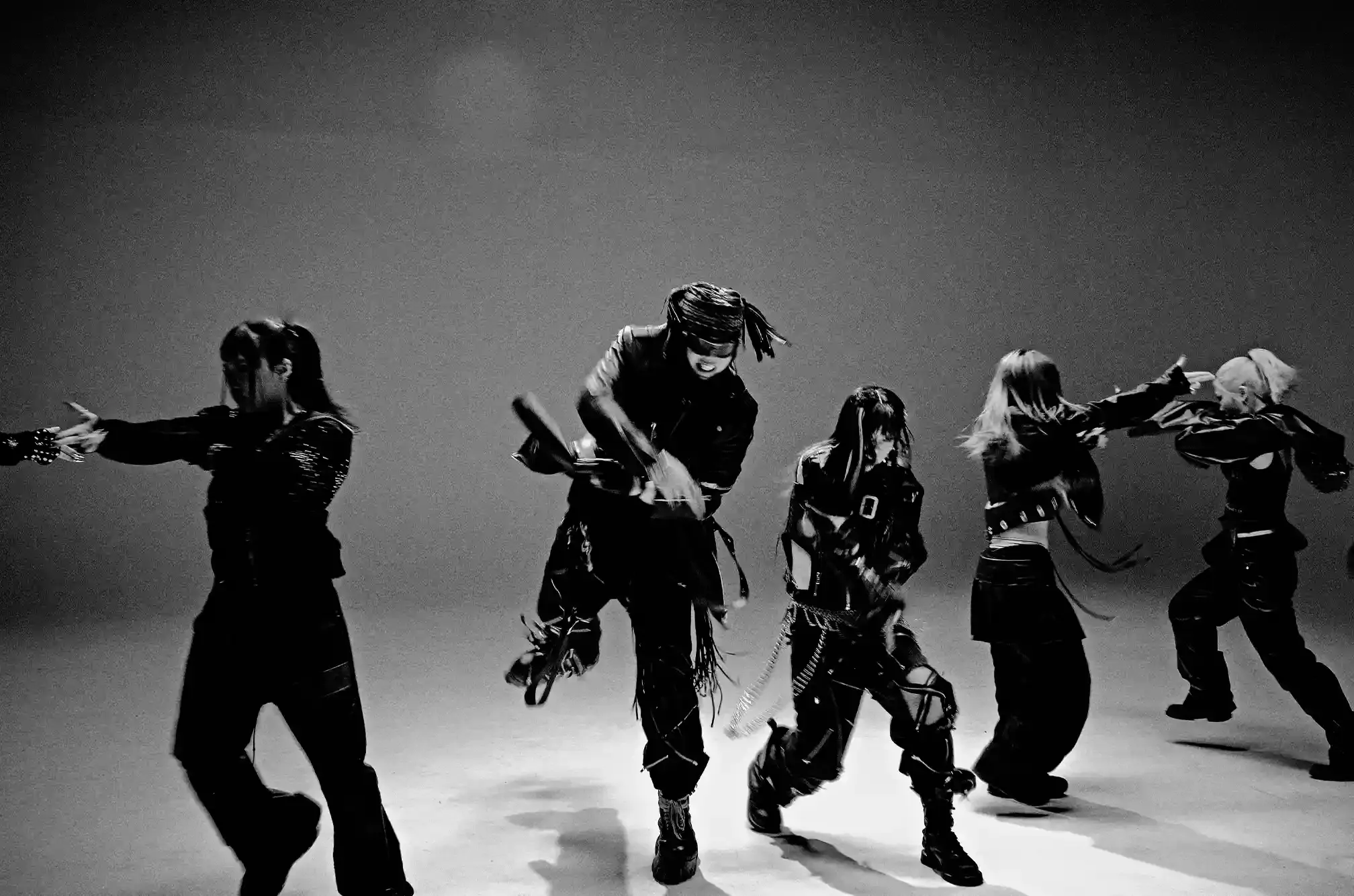
Cherry: Yes, BUUDA is dancing now. Haahaha! Everyone knows we’ve been bringing dance and party music to Korea, but this is the first time we’ve executed a full choreography together as a duo from start to finish. From 0:00 to 3:27, the movement tells its own dynamic story and adds another layer to the song.
This second music video is the moment when you drizzle the coconut cream on top of the mango sticky rice. The song was already there, but the choreography completes the experience and makes everything richer.
We're dancing because we want to have fun and bring the fun back, and we're dancing because we knew it would add a whole new dimension to listening to our music. Learning and rehearsing for it was physically demanding and pretty humbling especially due to its BPM, but it was also so much fun with the squad every practice. A Big, beautiful shoutout to our choreographers who are also a team themselves: Sophiehen & Neon Nayeon.
BUUDA: We liked the idea of taking something that’s traditionally associated with K-Pop and recontextualizing it. The song has an energy that naturally translates into movement. We also wanted to show another layer of the world around ‘DRESS2KILL.’ Sometimes a song doesn’t end when the music video ends. Different formats reveal different aspects of the same universe.
In the first video, there is a lot of AI, but instead of using the slop part of AI, you really push the artistic boundaries with what can be done with it. Can you give us your opinions on AI art and your predictions for AI in the future?
I don’t think AI is inherently good or bad. It’s a tool.
The problem isn’t AI. It’s laziness. If you use AI to imitate what’s already popular, you get soulless content. But if you use it as a creative collaborator, it can help you imagine things that may otherwise be impossible. I think the future of art will become more polarized. There will be an endless amount of disposable content generated by AI, but genuinely original ideas will become even more valuable and rare. Human taste, curiosity, and perspective will matter more than ever.
What are the big plans for Lil Cherry and GOLDBUUDA for the rest of 2026 and into the future?
BUUDA: We’re building much more than songs. We’re creating a world through music, visuals, performances, fashion, and community. I want GOLDBUUDA and Lil Cherry to become proof that artists from Asia don’t need to follow existing templates to make a global impact.
The goal isn’t simply to become bigger. It’s to create a legacy that didn’t exist before us and leave a blueprint that inspires other artists to be unapologetically themselves.
Cherry: More music, More videos, More vibes, More OVARY, More 1UP, More Sauce Cartel, More Family Style, More PMG, More Shows and Tour, More Fashion, More Experiments, More Positivity, More Fun, More Love, More Poems, More Life, More More More More More.
Related News