
Interview
The LiFTED 5 with SMIRK from GOOPiMADE
“A hybrid system influenced by urban environments, human behavior & how people navigate space.”
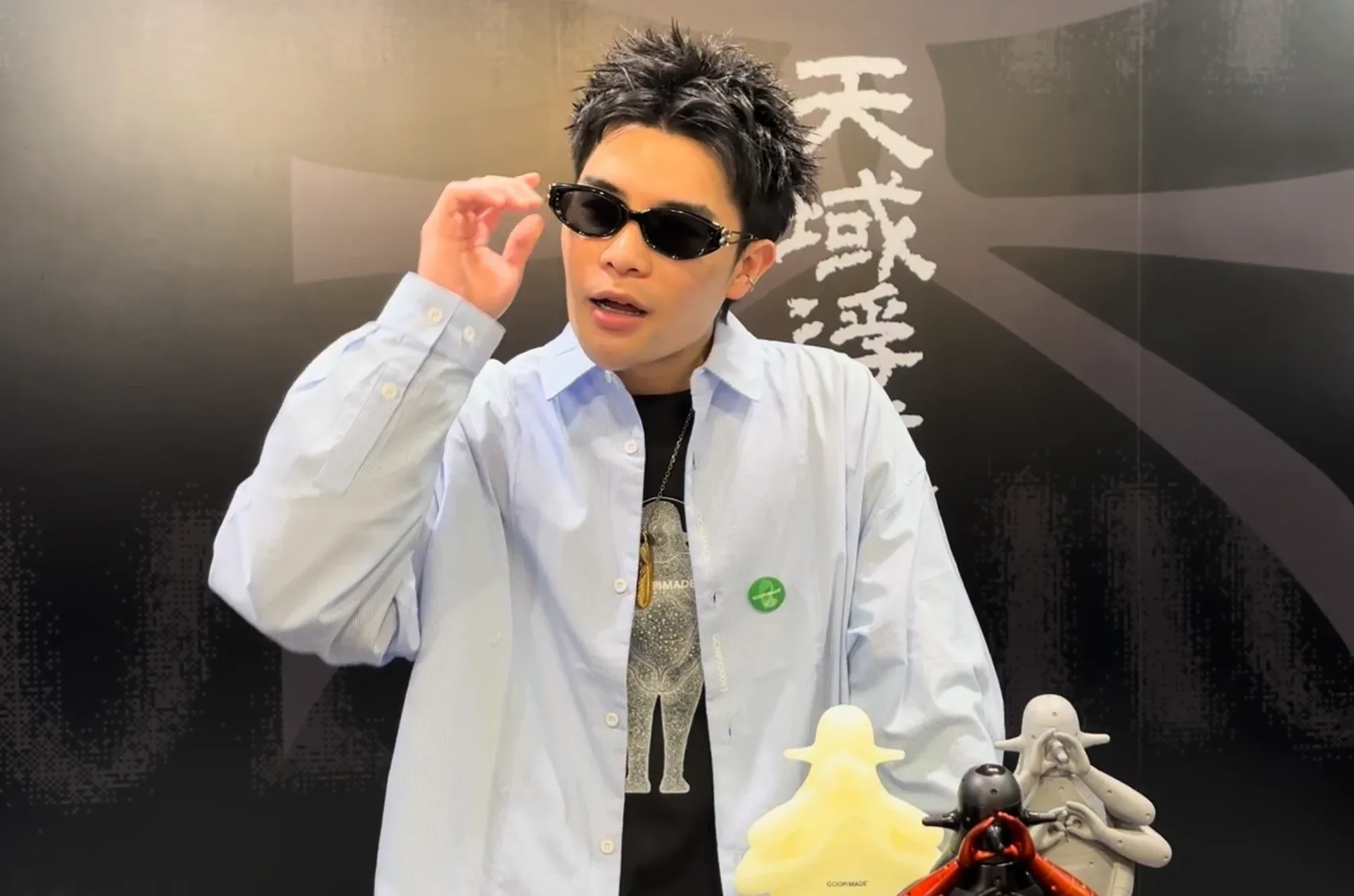
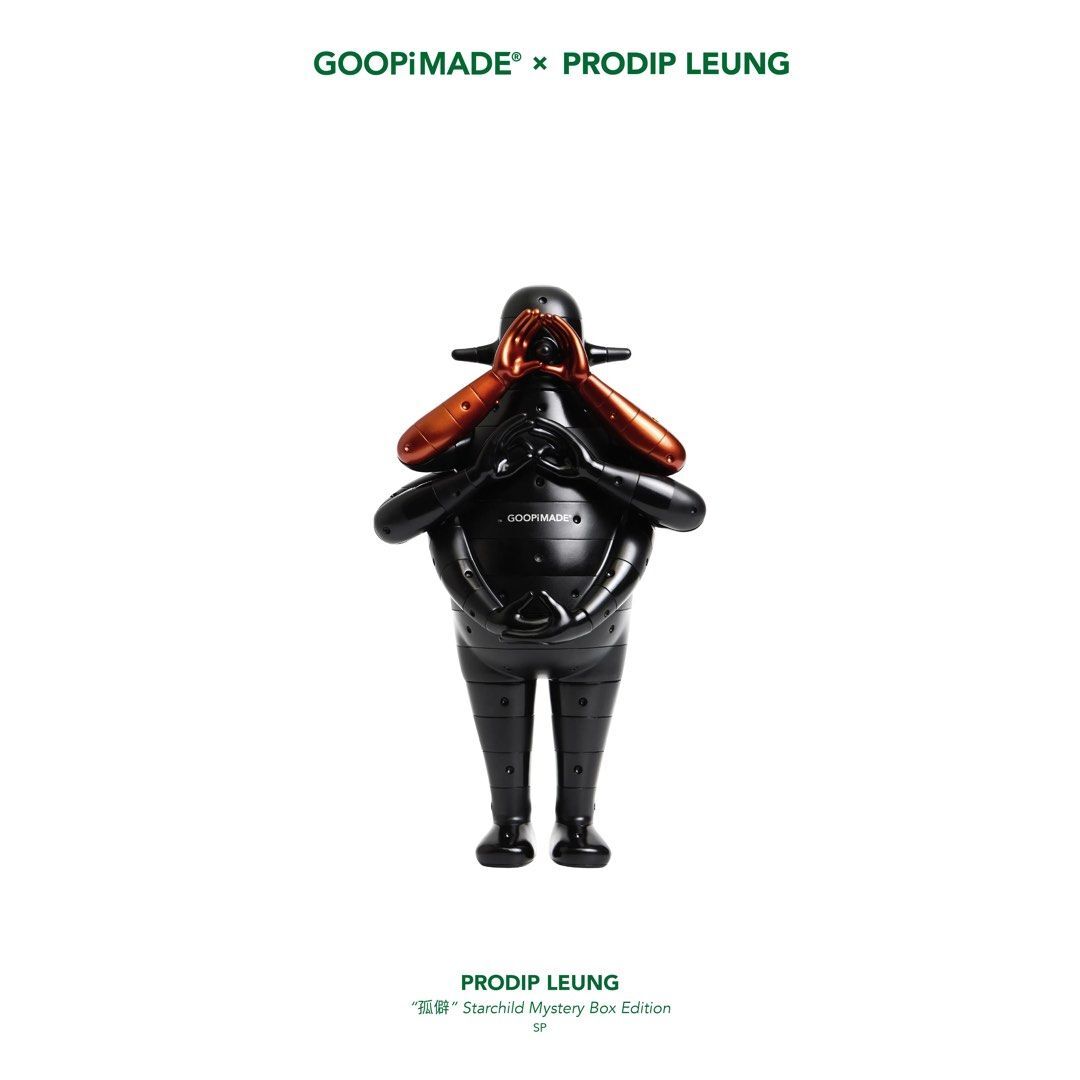
LiFTED caught up with Chen Chang AKA SMIRK at the GOOPiMADE booth at ComplexConHK last month to check out the new collabs with artists Prodip Leung of LMF and 432Hz. The lifestyle brand was founded in 2016 by SMIRK and Leo in Taiwan who have accomplished a lot in a decade, including some very high profile collabs [Yoji Yamamoto anyone?] This brand is definitely punching above its weight and LiFTED was excited to sit down and get a few answers.
A lot of your gear seems military inspired. What were the brands that first got you into streetwear or urban design?
I wouldn’t say it started from the military. It started from observation. Military elements came later as a system language, not a visual preference. What really drew me into this space were brands that treated clothing as a form of structure rather than decoration. Early on, I was deeply influenced by brands like WTAPS, Undercover, and Vintage Military gear. They weren’t just making clothes—they were building worlds.
Later I love the designs of ROTOL. At the same time, Japanese designers like Yohji Yamamoto showed me how silhouette and tension could exist beyond conventional proportions. That was probably the first time I realized clothing could carry ideology, not just style.
You’ve collaborated with people like Yohji Yamamota and Audi automobiles. Obviously quality is first and foremost. What other notable collabs have you done?
For me, collaboration isn’t about stacking names; it’s about alignment. Beyond working alongside figures like Yohji Yamamoto and brands like Audi, we’ve also collaborated with Mizuno and END CLOTHING, where we explored the intersection between performance engineering and our interpretation of urban mobility. We’ve also worked with select retailers and creative units across Asia and Europe, but I tend to be selective. I’m more interested in whether a collaboration can create a new perspective, rather than just a new product. If there’s no shift in narrative, then it’s probably not worth doing.
Your clothes have a certain rounded, baggy-looking silhouette. Do you think Goopimade is Hip Hop?
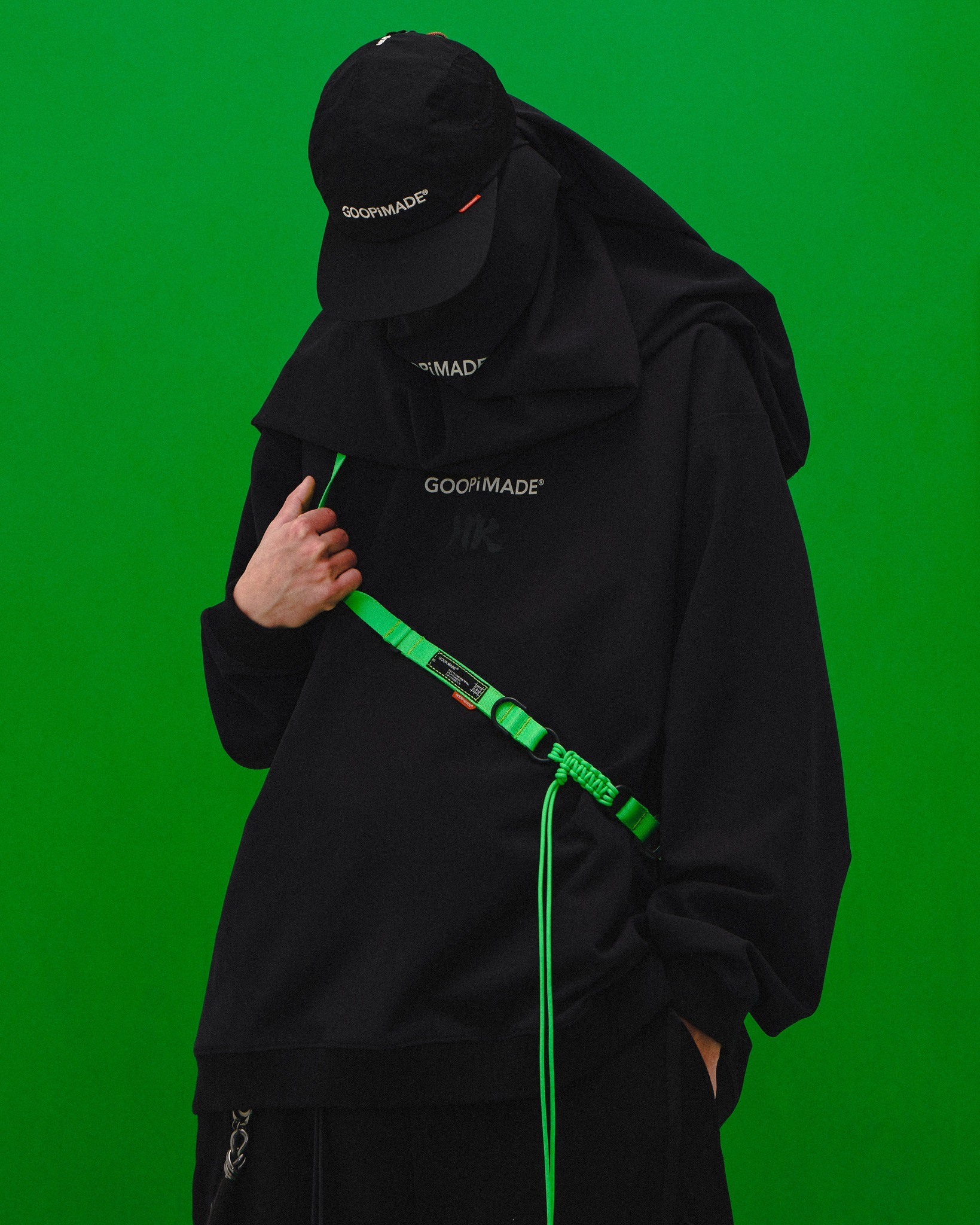
I understand why people might read it that way, but I don’t think that’s an accurate definition. The silhouette isn’t about baggy—it’s about balance and movement. Some pieces are relaxed, but others are actually quite sharp and controlled. What we’re really pursuing is what I would call “functional elegance,” which is a space where utility meets precision. Hip hop is a powerful cultural language, but GOOPiMADE doesn’t belong to a single category. It’s more of a hybrid system influenced by urban environments, human behavior, and how people navigate space.
What year did you start Goopimade, and how is the design space for new urban wear brands in Taiwan?
GOOPiMADE was founded in 2016. Taiwan’s design scene is interesting. It’s still relatively young, but that also means there’s less historical weight. You’re not bound by legacy, which creates room for experimentation. At the same time, that freedom comes with a lack of structure. Brands need to build not just products, but their own ecosystem—from narrative to distribution. I think the next phase for Taiwanese brands isn’t just about aesthetics, but about whether we can define a clear point of view that resonates globally.
How important is showcasing your designs at a big event like ComplexConHK? If you could collab with any designer at ComplexCon, who would it be?
Events like ComplexCon are less about exposure, and more about context. We’re placed in an environment where different cultures, brands, and audiences collide. It becomes a moment of comparison—not just visually, but ideologically. For us, it’s a way to test whether what we’re building can stand on an international stage without translation. If people can feel it without explanation, then we’re on the right track.